


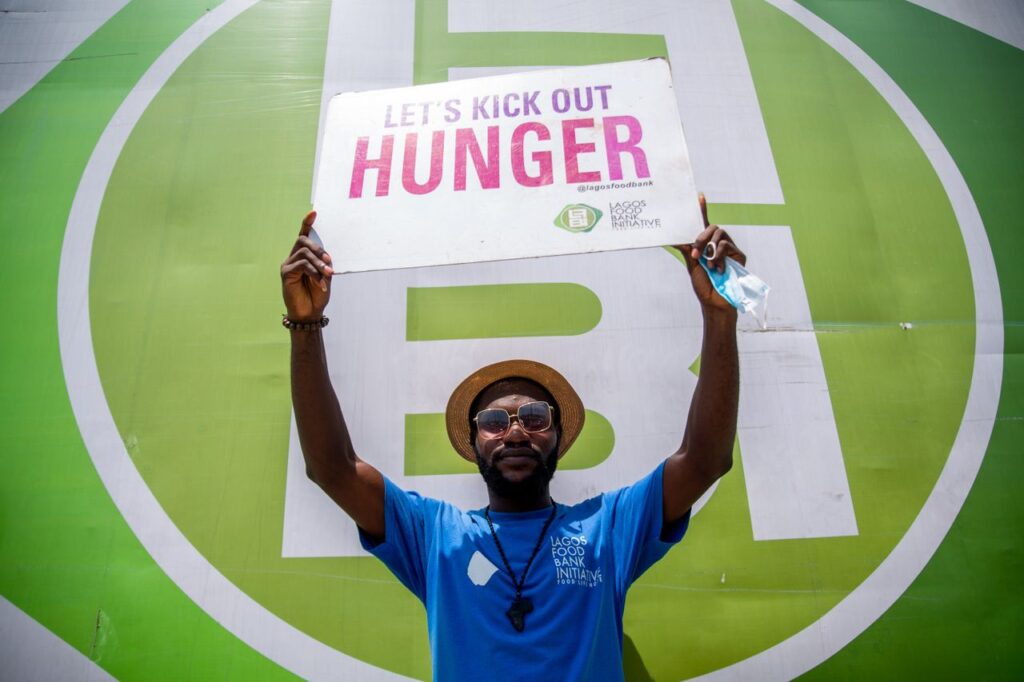
Access to Food and the Fight Against Hunger is one of the world’s most important challenges. Every person deserves access to safe, nutritious, and affordable food to live a healthy and active life. Yet millions of people still experience hunger due to poverty, conflict, climate change, and economic inequality. Improving access to food helps reduce poverty, supports better health, and creates stronger communities.
Why Access to Food Matters
Access to food is a basic human need. People who have enough healthy food are more likely to grow, learn, work, and live productive lives. Children who receive proper nutrition perform better in school, while adults have more energy and are less likely to suffer from illness.
Without reliable access to food, families may face malnutrition, poor health, and financial hardship. Ensuring food security is essential for long-term social and economic development.
Major Causes of Hunger
Several factors contribute to hunger around the world, including:
- Poverty and unemployment
- Climate change and natural disasters
- Wars and political conflicts
- Rising food prices
- Food waste and unequal food distribution
- Limited access to clean water and farming resources
These challenges often affect vulnerable populations the most, including children, older adults, and low-income families.
Ways to Improve Access to Food
There are many effective ways to strengthen Access to Food and the Fight Against Hunger, including:
- Supporting local farmers and sustainable agriculture.
- Reducing food waste at homes, restaurants, and grocery stores.
- Expanding food banks and community meal programs.
- Improving transportation and food distribution systems.
- Creating jobs and reducing poverty.
- Promoting education about nutrition and healthy eating.
Governments, businesses, charities, and individuals all have a role in improving food access.
The Role of Sustainable Agriculture
Sustainable farming helps produce food while protecting the environment. Farmers can use methods such as conserving water, improving soil health, and reducing pollution to increase food production for future generations. Sustainable agriculture also helps communities become more resilient to climate change.
How Individuals Can Help
Everyone can contribute to Access to Food and the Fight Against Hunger by taking simple actions:
- Donate food or money to local food banks.
- Volunteer at community kitchens or food distribution centers.
- Reduce household food waste.
- Buy from local farmers and small businesses.
- Raise awareness about hunger in your community.
Small efforts from many people can create a significant positive impact.
Conclusion
Access to Food and the Fight Against Hunger is essential for building healthier, stronger, and more equal communities. By reducing food waste, supporting sustainable farming, improving food distribution, and helping those in need, we can work together to ensure everyone has access to nutritious food. Ending hunger is a shared responsibility that requires cooperation from governments, organizations, businesses, and individuals around the world.