


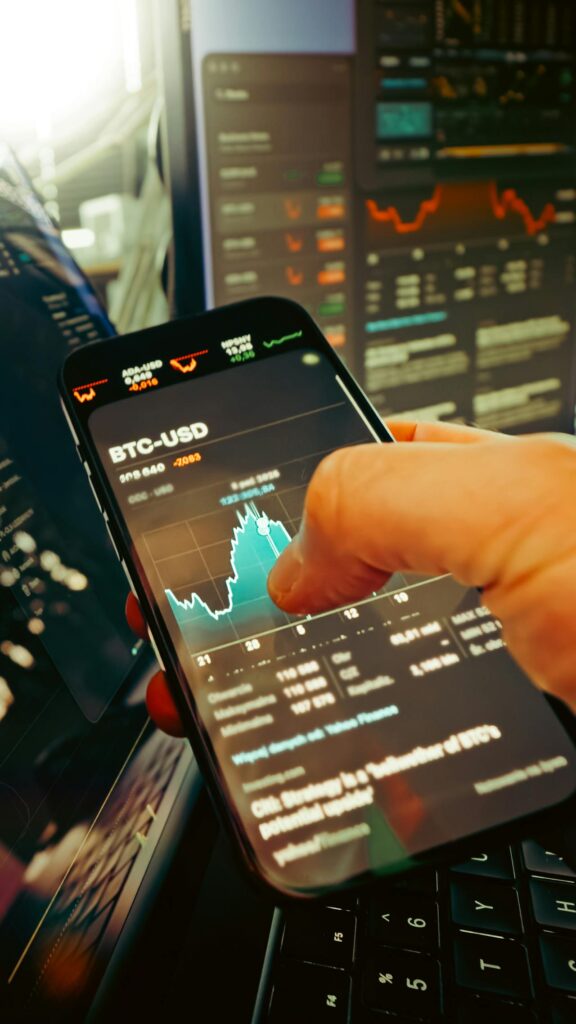
Market and technology integration is transforming the way businesses operate in 2026. Companies are using advanced technologies to improve customer experiences, increase efficiency, and stay competitive in fast-changing markets. From artificial intelligence to cloud computing and automation, businesses are combining technology with market strategies to achieve faster growth and better decision-making.
In today’s digital economy, market and technology integration is no longer optional. Businesses that fail to adapt often struggle to meet customer expectations and compete with innovative companies. Organizations across industries are investing in smart technologies to improve operations, understand customer behavior, and create personalized services.
The Importance of Market and Technology Integration
Market and technology integration helps businesses connect customer needs with modern digital solutions. Companies can analyze market trends in real time, identify new opportunities, and respond quickly to changes in demand. This integration improves communication, productivity, and overall business performance.
Technology also allows businesses to collect valuable customer data. By analyzing this information, companies can create targeted marketing campaigns, improve products, and build stronger relationships with customers. Businesses that successfully combine technology with market strategies often gain a competitive advantage.
Key Technologies Driving Integration
Artificial intelligence is one of the biggest drivers of market and technology integration. AI helps businesses automate tasks, predict customer behavior, and improve customer support through chatbots and virtual assistants. Machine learning tools can also help companies understand buying patterns and optimize pricing strategies.
Cloud computing is another important technology. It allows businesses to store data securely, collaborate remotely, and access information from anywhere. Cloud-based systems improve flexibility and reduce operational costs.
Big data analytics is helping companies make smarter decisions. Businesses can study customer preferences, market trends, and competitor activities to create more effective business strategies. Data-driven decisions improve efficiency and reduce risks.
The Internet of Things (IoT) is also changing industries by connecting devices and systems. Smart devices provide real-time information that helps businesses monitor operations, improve supply chains, and enhance customer experiences.
Benefits for Businesses
One major benefit of market and technology integration is improved customer satisfaction. Businesses can offer faster services, personalized recommendations, and better communication through digital platforms.
Another benefit is increased efficiency. Automation reduces repetitive tasks, allowing employees to focus on more valuable work. This saves time and lowers operational costs.
Technology integration also supports global business expansion. Companies can reach international customers through e-commerce platforms, digital marketing, and online communication tools. Businesses are no longer limited by geographical boundaries.
Innovation becomes easier when businesses combine technology with market strategies. Companies can launch new products faster, adapt to customer demands, and respond quickly to market competition.
Challenges of Integration
Although market and technology integration offers many advantages, businesses may face challenges during implementation. One common challenge is cybersecurity. As companies store more data online, protecting customer information becomes extremely important.
Another challenge is employee training. Businesses need skilled workers who understand modern technologies and digital systems. Continuous learning and workforce development are necessary for successful integration.
High implementation costs can also be difficult for small businesses. Investing in advanced technologies requires financial planning and long-term strategies. However, the long-term benefits often outweigh the initial expenses.
The Future of Market and Technology Integration
The future of market and technology integration looks highly promising. Businesses will continue using artificial intelligence, automation, and advanced analytics to improve operations and customer engagement. Emerging technologies like blockchain, virtual reality, and 5G networks will create new business opportunities and transform industries even further.
Companies that embrace innovation and digital transformation will be better prepared for future market changes. Businesses that focus on technology integration can improve efficiency, strengthen customer relationships, and achieve sustainable growth.
Conclusion
Market and technology integration is shaping the future of modern business. Companies are using digital tools and advanced technologies to improve customer experiences, increase productivity, and stay competitive in global markets. As technology continues to evolve, businesses that successfully integrate market strategies with innovation will have greater opportunities for long-term success.